Germany Flags Fake Blood Sugar Smartwatch Claims
Germany’s Federal Network Agency has raised fresh concerns about smartwatches claiming to measure blood sugar without needles. According to its latest market surveillance report, regulators discovered multiple devices marketed with glucose tracking features that simply do not exist. Moreover, officials emphasized that such claims go far beyond marketing exaggeration. Instead, they represent a potential health risk, especially for people who rely on accurate readings to manage diabetes.
Market Surveillance Findings Explained
The agency carried out extensive inspections throughout 2025 and uncovered compliance issues across approximately 7.7 million electronic products. While many violations involved paperwork, missing CE markings, or incomplete German documentation, regulators found several cases far more concerning. In addition, investigators identified smartwatches that simulated glucose readings using unrelated sensors or estimated algorithms. Consequently, these devices displayed fabricated health data as if it were medically accurate.
Design and Display
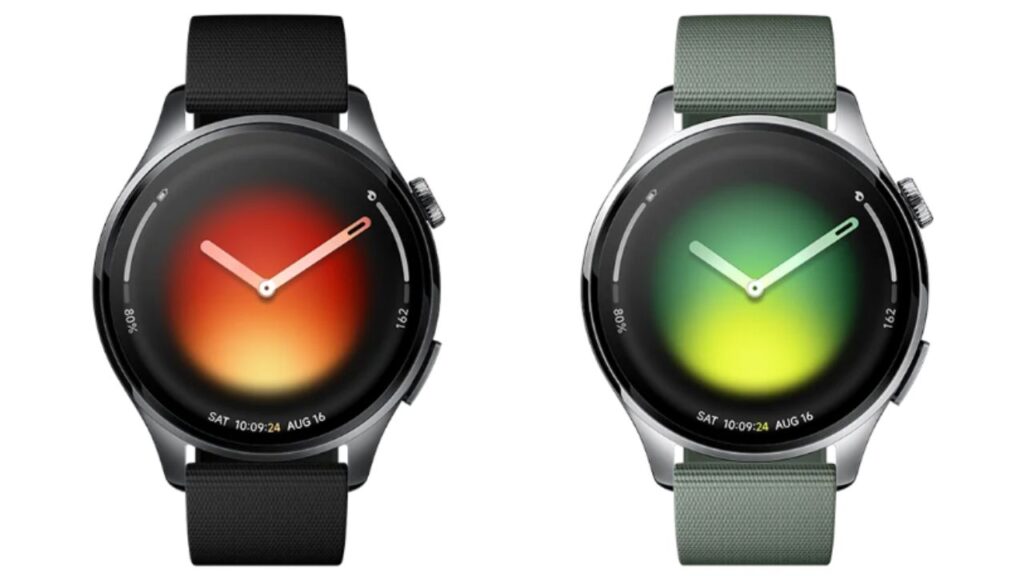
Although most of the flagged smartwatches targeted budget buyers, they often featured attractive designs and modern displays. However, regulators stressed that sleek design and advanced-looking interfaces can easily mislead consumers. Therefore, buyers may assume that a polished smartwatch interface equals medical reliability. Meanwhile, the reality remains very different, as visual sophistication does not guarantee scientific accuracy.

Camera Setup
Unlike smartphones, smartwatches do not rely on camera systems for medical data. However, many misleading devices promote multiple sensors and advanced hardware to build credibility. On the other hand, experts note that optical sensors used in wearables cannot currently measure blood glucose levels accurately. Consequently, companies that imply otherwise risk spreading dangerous misinformation.
Performance
From a performance perspective, many of these devices function normally as everyday smartwatches. They track steps, monitor heart rate, and manage notifications efficiently. However, problems arise when manufacturers add unproven medical features. Therefore, the performance gap appears not in general usage but in the accuracy of health-related claims. Additionally, users may trust these readings simply because the watch performs well in other areas.
Software Update
Software plays a major role in the controversy. Many flagged smartwatches generate blood sugar numbers using algorithms rather than real measurement tools. Moreover, these apps often present the results in a convincing medical format. Consequently, users may believe the readings reflect genuine health data. Regulators strongly warn that software estimates cannot replace medical-grade testing.
Battery and Charger
Battery performance rarely raises concerns in these investigations. Most devices deliver typical smartwatch battery life and charging speeds. However, regulators emphasize that long battery life should never distract consumers from verifying health claims. Therefore, buyers should evaluate health features separately from everyday convenience features.
Durability and Protection
Many low-cost smartwatches advertise water resistance and durable designs to build trust. Meanwhile, the Federal Network Agency notes that hardware durability does not equal medical reliability. In addition, several devices violated Germany’s Radio Equipment Act, and some emitted excessive electromagnetic interference. Consequently, these products failed to meet safety standards beyond misleading health features.
Launch Date, Pricing and Availability
The regulator identified 1,266 online listings suspected of non-compliance during its investigation. Although this number represents an 11.2% decline from the previous year, the scale remains significant. In fact, the flagged listings accounted for an estimated five million units sold. Moreover, smartwatches emerged as the most frequent offenders, particularly on online marketplaces.
Offline retail inspections revealed similar issues. Of 2,400 device models examined in physical stores, 58% failed to meet regulatory standards, affecting around 1.9 million units. Additionally, customs authorities blocked 359,000 non-compliant devices at the border after reviewing more than 8,200 shipments. Therefore, enforcement efforts now extend across both online and offline markets.
Why Blood Sugar Monitoring Requires Real Medical Tech
Medical experts have repeatedly clarified that accurate blood glucose monitoring requires invasive testing or an external continuous glucose monitor (CGM). Moreover, no standalone smartwatch currently offers reliable needle-free glucose measurement. Despite this, low-cost devices continue promoting the feature aggressively. Consequently, regulators worry that vulnerable consumers may trust misleading claims.
Real-World Risks for Diabetes Patients
The risks extend beyond misinformation. A previously published review of the Kospet iHeal 6 smartwatch showed glucose readings that varied sharply from real measurements. In some cases, the differences proved large enough to influence medication decisions. Therefore, relying on inaccurate smartwatch data could lead users to delay insulin, adjust dosage incorrectly, or ignore warning signs.
What Consumers Should Watch Out For
Consumers should approach bold health claims with caution. Moreover, buyers should verify whether a device has medical certification or supports external CGM integration. Additionally, experts recommend checking reviews from trusted medical sources before purchasing health-focused wearables. Consequently, informed research can help prevent dangerous misunderstandings.
Conclusion
Overall, Germany’s warning highlights a growing issue in the wearable tech market. While smartwatches continue to evolve rapidly, reliable non-invasive blood sugar monitoring still remains beyond current technology. Therefore, consumers must stay skeptical of unrealistic promises and prioritize medically approved solutions. Ultimately, regulators hope stricter enforcement will reduce misleading claims and protect users worldwide.